
Friendships and students
Friendships play a pivotal role in students' social and emotional lives, particularly during secondary school. Healthy friendships can therefore have a major impact on their mental health and wellbeing, helping to protect them against stress and strengthening their resilience. By providing students with a sense of belonging and connectedness, friendships develop their self-esteem, and their problem-solving and social skills.
Teaching students about friendships needs to be embedded in social and emotional learning and wellbeing programs. It’s important that these programs equip students with the skills they will need to maintain strong and healthy relationships, such as by teaching them strategies for reaching out and connecting with others, assessing their current friendships, understanding how different behaviours can impact on their relationships, and navigating friendship issues. The broad term ‘friendship issues’ refers to overt and covert incidents that happen between friends or within friend groups, such as arguments, teasing, belittling, excluding, and spreading rumours or gossiping.
A lack of skills and confidence to have difficult conversations with friends, and a belief that there is little they can do to address the friendship issue, means the issue often goes unresolved, with the student choosing instead just to ignore or avoid the offending person. These behaviours can leave young people feeling shut out without explanation, and describing feelings of confusion, stress, anger, sadness and loneliness.
ReachOut Schools has put together these resources to help teachers teach students about friendships. This includes developing the skills to navigate behaviours within friendships that cause stress, worry and hurt. Through these lessons, students will be supported to foster positive, safe and stable friendships, so that they are able to benefit from the compassion, trust, fun and sense of belonging that these important relationships provide.
Classroom resources
Designed to be engaging and relevant to your students.

Friendships end and change
Students examine different ways of dealing with changes in friendships and other relationships.

7-12

60 minutes
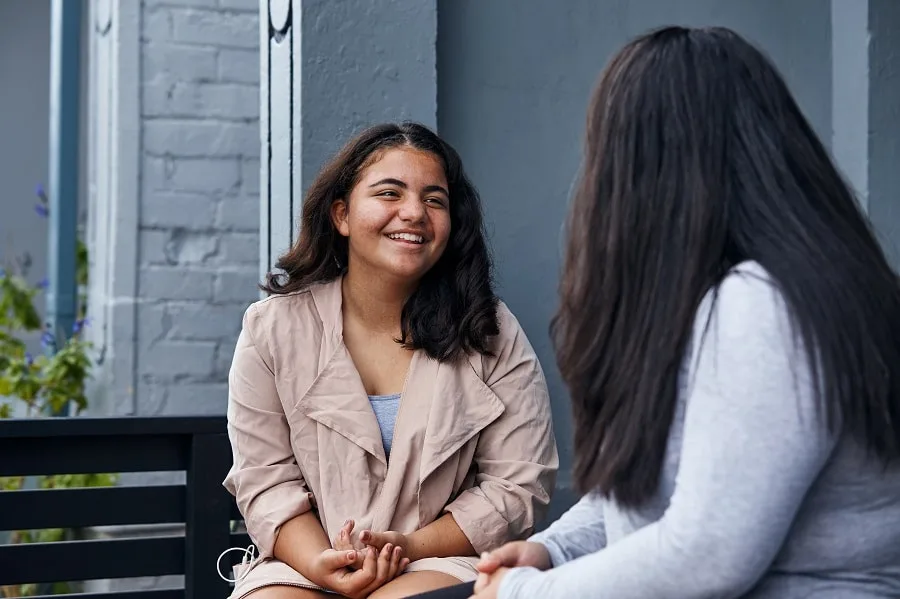
How to have difficult conversations
Through role play, students practise being assertive and explaining how they feel.
7-12
60 minutes

Making friends and building connections
Students examine ways to form new connections and relationships.
7-8
60 minutes

Lesson: What makes a good friend?
Students examine healthy relationships by developing an understanding of what makes a good friend.
7-8
60 minutes

When friends aren't friendly
Students learn how to recognise when a friendship is toxic, and to develop strategies for dealing with different situations.
7-8
60 minutes

Why friendships are important
Students assess why friends are important for a sense of belonging and connectedness.
7-12
60 minutes

How banter can be hurtful
Help students to reflect on the impact banter can have on those around them.
9-12
60 minutes

Navigating social awkwardness
Support students to understand social awkwardness and identify strategies for managing it in social settings.
7-10
60 minutes
Wellbeing Fives
Energise, refocus and develop wellbeing in your students in 5 minutes.

Gaining confidence to connect
Students assess different ways to connect and engage with others.
7-10
5 minutes

Maintaining friendships when stressed
Assist students as they develop strategies for maintaining healthy relationships when stressed or during tough times.
7-10
5 minutes

Starting a conversation
Students reflect on the ‘dos’ and ‘don’ts’ of starting a conversation.
7-10
5 minutes

Lesson: 3 steps to better communication
Students identify simple communication strategies to improve and maintain their friendships.
7-8
5 minutes

The power of bromance
Help students explore how to maintain close relationships when a friend leaves school or the local area.
9-12
5 minutes

Trying to fit in
Students discuss peer pressure and the concept of fitting in.
7-8
5 minutes

How healthy is your friendship group?
By completing a quiz students evaluate their friendship group.
9-12
5 minutes

Toxic friendships quiz
Students assess individual friendships to determine if they are healthy or unhealthy
7-8
5 minutes

How to end a toxic friendship
Students learn about suggested strategies for ending a toxic friendship and identify which ones they might like to use, if needed.
7-8
5 minutes
Resources for parents and carers
Share with parents and carers to support a whole school approach to student wellbeing.

Talking to your teen about toxic friendships
Read this guide for parents to help your teen recognise and cope with toxic friendships. Learn the red flags and how to take positive action.

Teenagers making friends - can parents help?
Learn how you can support your teenager to build confidence, navigate social situations, and find meaningful friendships, online or in-person.
Resources for students
Engaging and reliable content for young people to support their wellbeing.
How to make friends at school
Forming strong friendships can make your school days way more memorable. Explore our top tips for building solid connections at school.
How to tell your friend they've hurt you
Talking to your friend about how they've hurt you, or about other friendship issues, can be tricky. Check out these tips to get you started.

4 steps for coping with changing friendships
We chatted to a bunch of young people about how they cope with changing friendships. Get some of their top tips.

Friendships and exam stress: 5 tips for keeping things positive
Is study stress affecting your friendships? Discover our 5 practical tips for maintaining strong friendships during exam season.