Teachers' guide to the social media age restrictions
- Published: 11 November 2025
From 10 December 2025, age-restricted social media platforms will have to take reasonable steps to prevent Australians under the age of 16 from creating a social media account or continuing to use an existing account. While this is a popular decision among many parents and carers, ReachOut research shows that the majority of young people aged 12–15 (72%) disagree with the restrictions or have mixed feelings about them.
Many young people may struggle with accepting the restrictions and could find it difficult to manage the period of transition away from social media. This guide is designed to help you navigate this change in the classroom and educate parents and carers on how to best support their teens to cope with the impacts.
Parents and carers as key supports
We know educators are worried about how these restrictions will impact young people, both in and out of the classroom. You may find that parents and carers turn to you and the school to manage these impacts and support their teen. While teachers play a big role in supporting young people, you can’t be expected to shepherd teens through this change alone. Parents and carers have a major role to play throughout this transitional period and beyond.
Our new parents’ and carers’ guide to the social media age restrictions was designed to help parents understand the potential impacts and support their teen.

Get a printable version of the parents' guide
Parents’ and carers’ guide to the social media age restrictions PDF
Understanding the impacts
Isolation and disconnection
While there are many benefits to staying off of social media, it's also a big part of how many young people stay connected and share what’s going on. Your students may be worried about how they’ll stay in touch with friends or keep up to date with what’s going on in the world.
Teens from marginalised communities are particularly at-risk of experiencing isolation and disconnection. Many LGBTQIA+ teens and teens with disability find comfort, visibility and community in digital spaces. Losing access to these spaces may lead to further withdrawal from ‘real-world’ spaces.
Our research shows that teens also use social media as a way to discover mental health information, often using these platforms as frequently as they would use a search engine like Google.
In the short-term, your students will lose access to their standard way of communicating with friends, learning about themselves and connecting with the world around them. This is likely to cause frustration, upset, or confusion. In the long-term, delayed access to social media may mean less opportunity for teens to explore their identity and learn where they fit in, which could affect their confidence and overall wellbeing.

Tension and behaviour change
These restrictions may feel like a big loss of freedom, and your students may respond by rebelling or blaming their parents or adults in general. Some students may experience increased conflict at home, which could cause issues for them at school.
If a student has become dependent on social media for their sense of wellbeing, they may experience some withdrawal-like symptoms. This could look like frequent mood swings, withdrawal from family and school life, disrupted sleep, poor eating habits, or issues with communication (e.g. they might become impatient or short-tempered).
Managing these impacts in the classroom
Normalise emotions
It’s normal for people to experience a variety of emotions in response to major change. Young people may feel grief, anxiety, anger, frustration, or even happiness. Taking the time to notice, name and accept all these emotions is important.
Our lesson on how to deal with mixed emotions is a helpful resource for naming emotions and practicing acceptance.
Encourage connections
While social media is a major way to stay connected to others, it isn’t the only way. Students may need the reminder that there are other areas in which they can find and build connections. Our lesson on connectedness and reaching out will help your students to identify their existing connections and learn how to develop new ones.
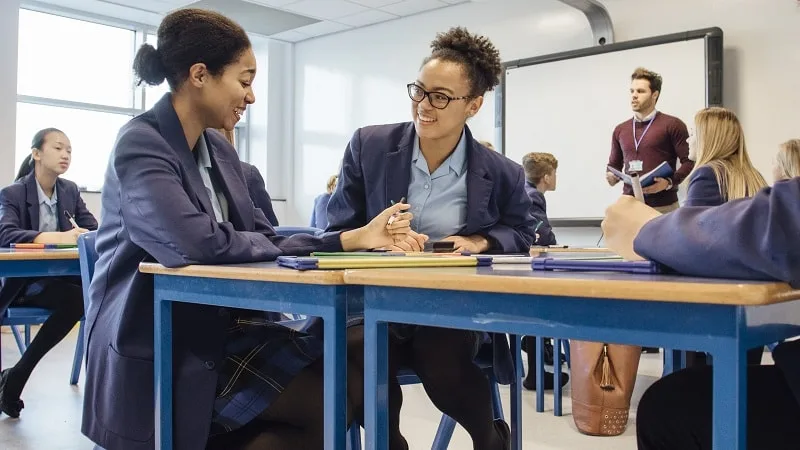
Let your students have a voice
Young people often tell us how upsetting it can be when adults minimise their experiences or emotions. This issue has directly impacted teens, yet they aren’t able to vote or be involved in the political conversation. Facilitating an open discussion about these restrictions offers students a chance to surface their emotions and reactions.
For some students, they may have never been asked about their opinion on this issue. A simple ‘how do you feel about these restrictions?’ may be enough to help your students feel seen and heard immediately.
Champion professional help
Some students may need further support to cope during this time. Our lesson on accessing professional help is a great way to introduce your students to the different supports available and how they can help during tough times.
Caring for your own wellbeing
This change won’t just impact young people. The ripple effects will be felt by parents, carers, and educators. It’s normal to be frustrated or overwhelmed if a broader societal issue is causing significant change or disruption in your classroom.
Our collection on teacher wellbeing has a lot of helpful resources about how to check-in with yourself and practise self-care.
Frequently asked questions about the social media age restrictions
This law mandates a minimum age of 16 for accounts on specific social media sites, directly impacting student wellbeing and requiring schools to adjust digital policies to support compliance and safety. Find more information at the eSafety social media age restrictions hub and their school FAQs.
The minimum age requirement began on 10 December 2025, meaning schools need to ensure all policies and curriculum discussions reflect that students under 16 are restricted from using these platforms.
Restricted platforms include major social media sites, such as Instagram and TikTok. Educational platforms and basic messaging services are generally excluded, allowing you to continue using certain tools. eSafety maintains a centralised list of platforms that now require a minimum age.
No, the law requires a minimum age for users. Neither school permission nor parental consent allows a student under 16 to legally hold an account on a restricted platform. Read more about the social media restrictions on the eSafety website.
Neither the student nor the parents will be penalised. Penalties only apply to social media companies that fail to take reasonable steps to prevent accounts held by under-16s. You can find more information about this in eSafety’s Compliance and Enforcement Policy.
Schools should focus on updating your digital policies, integrating digital citizenship lessons, and ensuring your school's wellbeing team can support students who may be struggling with the transition. Get more tips in our teachers’ guide to the social media age restrictions, or share our youth guide with your students to help them cope with the change from the social media restrictions.
You can still use certain platforms for educational purposes. Visit eSafety for more information about what the social media age restrictions mean for educators.
Further information and support
Visit eSafety for more information about what the social media age restrictions mean for educators.
Teens looking for support during this time can visit our social media ban collection on the ReachOut website.